Rental Car Accident in Serbia: What to Do Step by Step
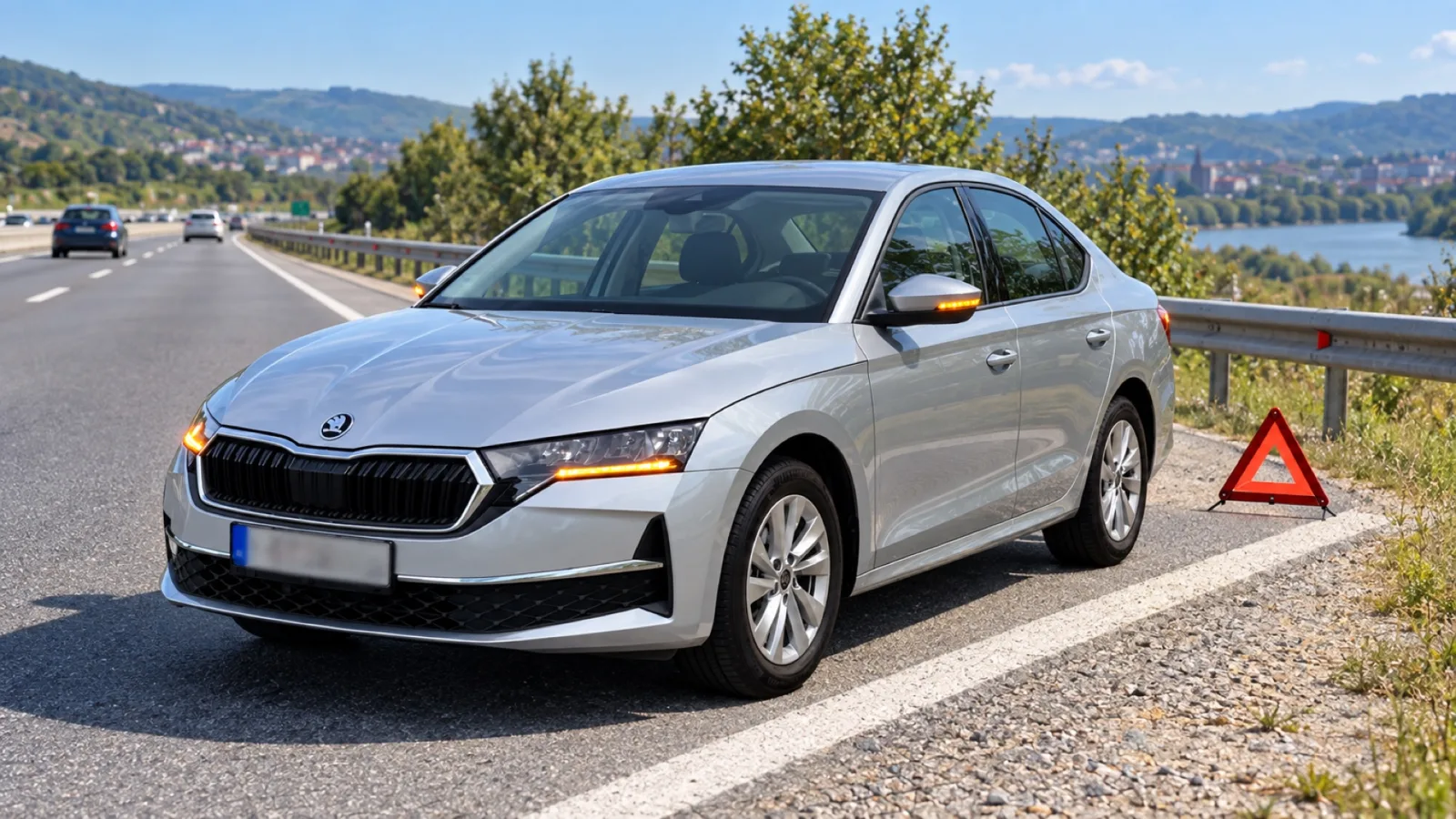
After an accident in a rental car in Serbia, first protect people and the scene: stop, switch on the hazard lights, put on a reflective vest and place the warning triangle where approaching traffic can see it. Call emergency services immediately if anyone may be injured or the road is unsafe. Do not leave before exchanging details and completing the required procedure.
Next, contact the rental company as soon as it is safe. With a ZURO car, call or message us and follow our instructions before agreeing to repairs, towing or payment. Photograph the vehicles, positions, road, signs and visible damage, and collect the other driver's and vehicle details.
The AMSS accident guidance explains the basic sequence and the European Accident Statement. The governing obligations are in Serbia's Road Traffic Safety Act published by MUP. If there is any doubt about injury, disagreement, documents or the scale of damage, call the police.
1. Stop and make the scene safe
Stop immediately without creating a second collision. Switch off the engine if appropriate, apply the parking brake and turn on hazard lights. Before stepping into traffic, put on the reflective vest. Place the warning triangle far enough behind the vehicle to warn approaching drivers, adapting the distance to speed, visibility and road shape.
Check yourself, passengers and people in the other vehicle. Do not move an injured person unless remaining in place creates an immediate danger. Call Serbia's emergency number 112 and clearly describe the location, direction of travel, number of vehicles and possible injuries.
Do not smoke near leaking fuel, touch exposed electrical parts or stand between damaged vehicles. On a motorway, move behind the barrier when possible. Keep passengers, especially children, away from traffic.
2. When to call the police
Call the police when anyone is injured or may be injured, when vehicles cannot be moved safely, when traffic is obstructed, when there is significant damage, or when the participants disagree about what happened. Also call if the other driver lacks documents, appears impaired, leaves the scene, refuses to provide details or if public property is damaged.
For a rental vehicle, a police record may be important for the insurance and contract procedure even in a situation that initially looks simple. Contact ZURO and describe the incident before deciding that a European Accident Statement alone will be sufficient.
Do not admit legal liability or sign a text you do not understand. You can describe facts accurately without making a legal conclusion. Cooperate with police, provide originals when asked and keep every document they issue.
3. Move the cars only when appropriate
After a minor collision with no injuries, vehicles that can move may need to be cleared from traffic once their positions have been documented and the participants agree on the next step. Take wide photographs first: the whole scene, lane markings, junction, traffic lights, signs, debris and each vehicle's position.
For an injury accident or a disputed serious incident, follow police instructions before changing the scene. Safety always comes first: if remaining in a live lane creates immediate danger, tell emergency services what you have done and why.
Never continue driving a car with a leaking fluid, damaged wheel, deployed airbag, broken steering, severe warning light or loose body part. Wait for instructions about roadside assistance or towing.
4. Photograph and collect details
Create a clear record without obstructing responders. Photograph:
- all sides of every involved vehicle;
- close views of damage and wider context;
- number plates and vehicle registration documents;
- the road surface, weather and visibility;
- signs, signals and lane markings;
- tyre marks, debris and relevant obstacles;
- the completed report before the pages are separated.
Exchange the driver's name, contact, licence information, registration and insurance details. If there are witnesses, ask for a name and telephone number, but do not pressure anyone to give a statement.
Write a short timeline while memory is fresh: time, place, direction, speed range, signals and the sequence of events. Send copies to ZURO but keep originals required by the authorities or insurer.
5. European Accident Statement
The European Accident Statement, called Evropski izveštaj in Serbian, is a standard form for recording a collision. It is not simply a private note. Both drivers enter their details, mark circumstances, draw a diagram and sign the form. Each keeps a copy.
Use it only when the legal conditions are met and the facts are agreed. If there are injuries, disagreement, uncertainty about the other driver's identity, suspected alcohol or drugs, foreign complications, substantial damage or a refusal to sign, call the police. If you cannot understand the form, do not guess.
The form records facts; signing it should not be treated casually. Review the boxes, sketch, plate numbers and visible damage before signing. Photograph the complete form immediately.
6. Contact ZURO before repairs or towing
As soon as the scene is safe, contact ZURO through WhatsApp at +381 63 821 8532 or Telegram @zurocars_rent. Send your location, a short factual description, photographs and information about police or emergency services.
Do not authorise a garage, private tow truck or parts purchase without approval unless emergency services require an immediate safety measure. Do not promise the other party that ZURO or an insurer will pay a particular amount. Keep receipts for any expense we instruct you to make.
If the car is drivable, wait for confirmation before continuing. A damaged light, tyre or cooling component can turn a small collision into a larger repair.
Insurance: what the ZURO cover means
Basic insurance is included in the rental price and covers damage caused to third parties. It does not pay for repairs to the ZURO vehicle when the customer is at fault. Optional comprehensive insurance limits the customer's payment to the applicable excess, which ranges from €500 to €1,500 by vehicle class.
Neither the basic cover nor the optional comprehensive cover includes tyres, rims or glass. Coverage also depends on following the contract and accident procedure. Missing documents, leaving the scene or arranging unauthorised repair can complicate the claim.
Read the rental terms before driving and see the penalties and fees for contractual charges. The final assessment depends on the documents, circumstances, insurance terms and responsibility; do not assume the result at the roadside.
Frequently asked questions
What number should I call after an accident in Serbia?
Call 112 for an emergency, especially if anyone may be injured or the scene is dangerous. Then contact ZURO as soon as it is safe.
Must I call the police for a small scratch?
Not every agreed minor incident necessarily requires a full police investigation, but a rental car adds contractual and insurance requirements. Contact ZURO before deciding that the European statement alone is enough.
Should I move the rental car?
Move it only when safety and the applicable procedure allow it. Photograph positions first when possible, and follow police or emergency instructions in an injury or disputed case.
Can I arrange a tow myself?
Do not authorise a private tow or repair without ZURO's approval unless an emergency authority directs an immediate action. Call us with the location and vehicle condition.
Does comprehensive cover pay everything?
No. It limits the customer's liability to the applicable excess under its terms. Tyres, rims and glass are excluded, and correct accident reporting remains essential.
Help from ZURO after an incident
Keep our contacts with the rental documents and read the rental terms before departure. If an incident occurs, secure the scene first, then contact ZURO so we can guide the vehicle, documentation and insurance steps.
Find a car for your dates
Pick your dates and see what is actually free — prices and availability update as you choose.
Open the fleet →Read next
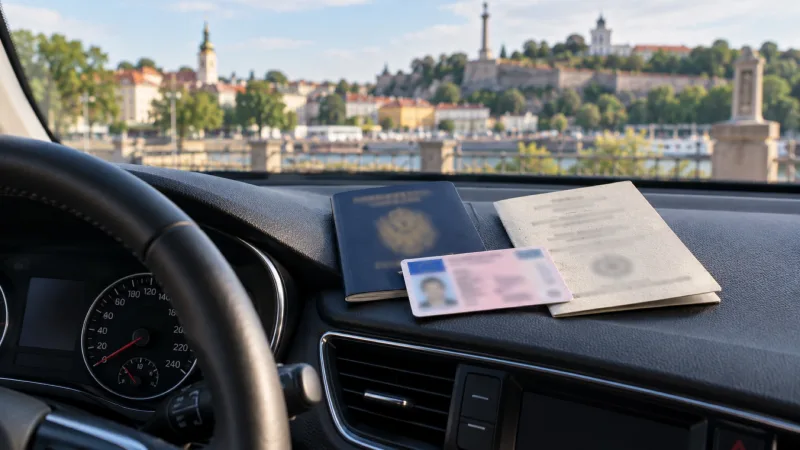
Do You Need an International Driving Permit in Serbia?
Find out when a foreign driving licence is accepted in Serbia, when an international permit helps and what documents you need to rent a car.
Read on →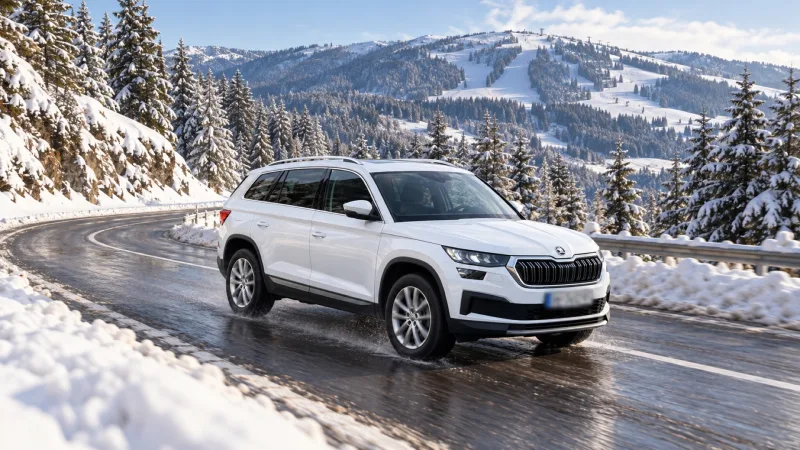
Belgrade to Kopaonik by Car: Route and Winter Tips
Plan the drive from Belgrade to Kopaonik: route choices, approximate travel time, tolls, winter equipment, parking and a suitable rental car.
Read on →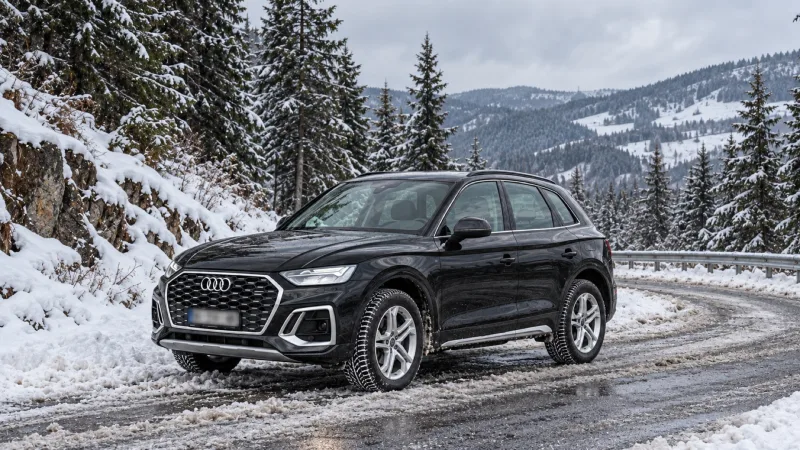
Winter Tyres in Serbia: Rules for Rental Car Drivers
Learn when winter tyres are mandatory in Serbia, the required tread depth, when to carry snow chains and what to check before a mountain trip.
Read on →